
Trace Scottish Family History: Tracing Your Scottish Family Tree - A Guide
- Will Allan
- Jan 22
- 4 min read

There is something deeply stirring about tracing your roots in the rugged landscapes of Scotland. The misty glens, the ancient castles, and the whispering pines seem to hold stories of those who came before us. I have often found myself lost in thought, wondering about the lives of my ancestors - their struggles, their joys, and the paths that led them to the Isle of Mull. Tracing your Scottish family tree is not just about names and dates; it is a journey into the heart of identity, a connection to the land and the legacy left behind.
Why Trace Scottish Family History?
The Highlands and Islands of Scotland are steeped in history, and each family has a tale waiting to be uncovered. For me, the desire to trace Scottish family history was born from a yearning to understand the past - to hear the echoes of the Highland Clearances and to feel the pulse of the clans that shaped the land. It is a journey that invites reflection and discovery.
Tracing your family history can reveal:
The origins of your surname and clan affiliations.
Stories of migration, hardship, and resilience.
Connections to historical events like the Jacobite uprisings or the Clearances.
Links to specific places such as the Isle of Mull, where many families have deep roots.
This process is not always straightforward. Records may be sparse, and names can change over time. But with patience and the right tools, the past begins to unfold like a well-worn map.

How to Trace Scottish Family History: Practical Steps
Starting your journey can feel overwhelming, but breaking it down into manageable steps helps. Here’s how I approached it, and how you might too:
Gather What You Know
Begin with your own family. Talk to relatives, collect old photographs, letters, and documents. Even small details like a place name or a family story can be a vital clue.
Identify Key Records
Scotland has excellent historical records, including:
Census records (from 1841 onwards)
Parish registers (births, marriages, deaths)
Valuation rolls (property records)
Wills and testaments
Use Online Resources
Websites like ScotlandsPeople offer access to many official records. Local archives and libraries on the Isle of Mull can also be invaluable.
Understand Clan Connections
Many Scottish families are linked to clans. Learning about your clan’s history can provide context and sometimes lead to specific genealogical resources.
Visit Ancestral Places
Walking the land where your ancestors lived brings a profound sense of connection. The Isle of Mull, with its rugged beauty and rich history, is a place where the past feels alive.
Join Heritage Projects
Engaging with projects like the Mull MacGillivray Heritage Project can connect you with others tracing similar roots and provide access to shared knowledge and archives.
Each step is a thread woven into the tapestry of your family story.
How do I find my family tree in Scotland for free?
Finding your family tree in Scotland without spending a penny is possible, though it requires some digging and patience. Here are some practical ways to start:
ScotlandsPeople Website: While many records require payment, some indexes and search tools are free to use. You can browse and identify records before deciding which to purchase.
National Records of Scotland: They offer free access to some records onsite and provide guidance for researchers.
Local Libraries and Archives: Many have free access to genealogical databases and local history collections. The Isle of Mull’s local archives may hold unique records not found online.
Family History Societies: Groups like the Scottish Genealogy Society often provide free resources and advice.
Online Forums and Social Media: Engaging with communities focused on Scottish genealogy can yield tips and sometimes shared family trees.
Church Records: Some parish records are available online or at local churches, often free to access.
Remember, free resources might not be comprehensive, but they are a great place to begin. Patience and persistence are your allies.
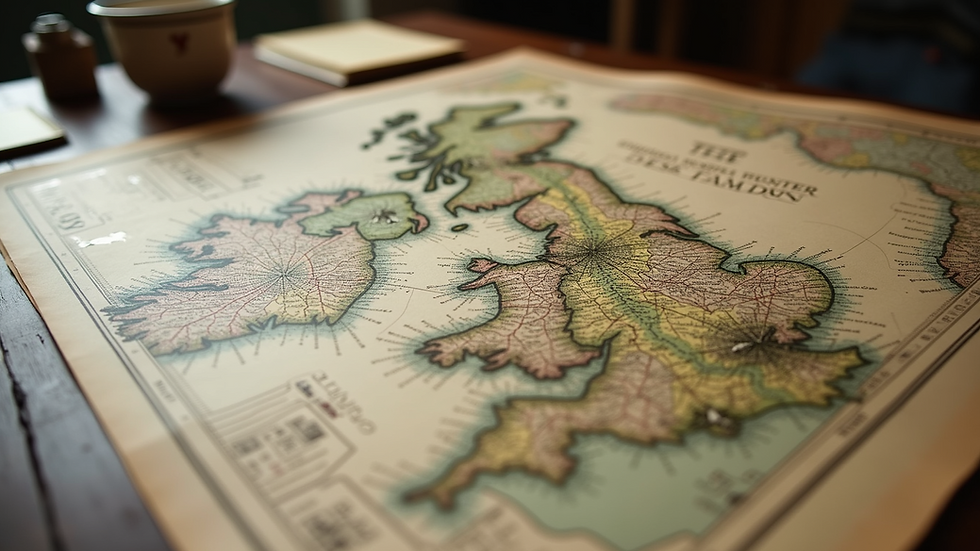
The Emotional Journey of Tracing Your Scottish Roots
Tracing your family tree is not just a research project; it is an emotional voyage. I have felt the quiet ache of loss when discovering ancestors displaced by the Highland Clearances. I have smiled at the resilience found in stories of survival and adaptation. Each name uncovered is a person who lived, loved, and dreamed.
There is a gentle rhythm to this work - the slow unfolding of stories, the piecing together of fragments. It invites reflection on identity and belonging. How did my ancestors shape who I am today? What lessons do their lives hold?
The Isle of Mull, with its wild beauty and deep history, offers a special place to connect with these questions. Walking its shores, I have felt the presence of those who came before, their stories carried on the wind.
Preserving the Stories for Future Generations
As we trace our family trees, we become custodians of history. The Mull MacGillivray Heritage Project is a shining example of this - a community dedicated to preserving the stories of the MacGillivray clan and the wider Scottish heritage on the Isle of Mull.
By sharing our findings, recording oral histories, and protecting documents, we ensure that the legacy of the Highlands endures. This is more than genealogy; it is a gift to those who will come after us.
If you are beginning your own journey, consider how you might contribute. Perhaps by joining heritage groups, donating materials, or simply sharing your story with family.
In this way, the past remains alive, a living thread connecting generations.
Tracing your Scottish family tree is a journey of discovery, reflection, and connection. It invites us to walk alongside our ancestors, to hear their stories, and to honour their lives. Whether you are drawn by the history of the Isle of Mull, the tales of the clans, or the desire to understand your own place in the world, this path offers rich rewards.
For those ready to begin, remember: every small step brings you closer to the heart of your heritage. And in that journey, you are never truly alone.
If you want to start exploring your roots, the family tree scotland resources are a wonderful place to begin.
May your journey be filled with discovery and a deep sense of belonging.


Comments